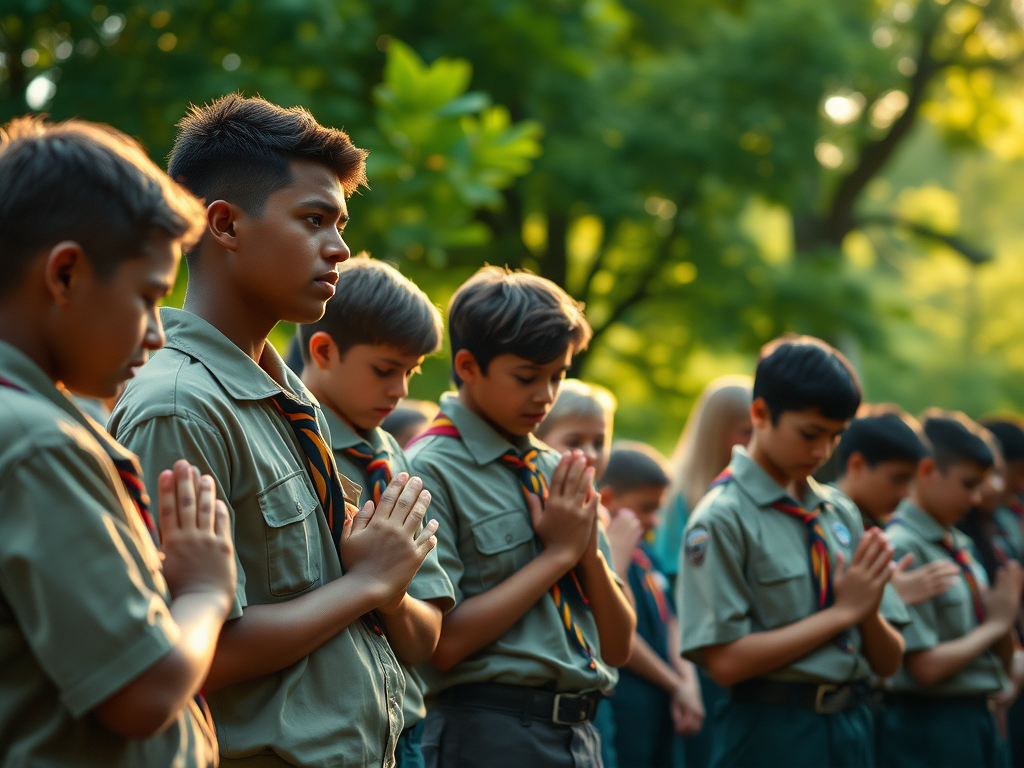
What is a Troop? Structure of a Scout Troop
Welcome to the world of scouting! As you embark on this exciting journey as a scout in India, understanding the structure of a Scout Troop is fundamental. A troop is not just a group of scouts; it is a community where young minds come together to learn, explore, and grow. Let’s dive deeper into what makes up a scout troop and how it functions within the Indian scouting context.
Understanding the Scout Troop
A Scout Troop is essentially a unit of scouts that functions under the guidance of a Scoutmaster. It is where scouts gather for meetings, activities, and adventures. In India, the troop is a critical component of the Bharat Scouts and Guides, which is the national scouting organization. Typically, a troop consists of around 20-32 scouts, grouped into smaller units called Patrols.
The Structure of a Scout Troop
The structure of a Scout Troop is designed to promote leadership, teamwork, and skill development. Here’s a closer look at the key components:
- Scoutmaster: The adult leader responsible for guiding and mentoring the troop. The Scoutmaster ensures that the scouts learn and grow within a safe and supportive environment.
- Assistant Scoutmaster: Supports the Scoutmaster in managing the troop’s activities and may take on specific responsibilities.
- Patrol Leader: A scout elected by fellow patrol members to lead them. The Patrol Leader is responsible for organizing patrol activities and representing the patrol at troop meetings.
- Assistant Patrol Leader: Assists the Patrol Leader and takes charge in their absence.
- Patrols: Smaller groups within the troop, usually consisting of 6-8 scouts. Each patrol operates semi-independently, allowing scouts to practice leadership and teamwork.
In Indian scouting, patrols often choose names inspired by animals, nature, or Indian heritage, such as the “Tigers” or “Ganga Patrol,” reflecting the diverse culture and environment of India.
Roles and Responsibilities
Each member of a troop has specific roles and responsibilities, which are essential for the smooth functioning of the troop. Here’s how these roles contribute:
- Scoutmaster and Assistant Scoutmaster: They provide guidance, ensure safety, and facilitate a program of activities that aid in the personal development of scouts.
- Patrol Leaders: They learn leadership by organizing patrol meetings, planning activities, and representing the patrol in troop councils.
- Scouts: Participate actively in patrol and troop activities, learn skills, and earn badges by fulfilling various scouting requirements.
Practical Scout Activity: Organizing a Troop Campfire
One of the most cherished activities in scouting is organizing a Troop Campfire. It’s a time for fun, reflection, and camaraderie. Here’s how your troop can organize one:
- Plan: The Patrol Leaders Council can plan the campfire program, including songs, skits, and reflections.
- Setup: Each patrol can be given specific tasks such as gathering wood, setting up the area, or preparing skits.
- Execution: On the day, ensure that safety measures are in place, and lead the troop in an evening of shared stories, laughter, and learning.
This activity not only fosters teamwork but also enhances the scouts’ planning and organizational skills.
Conclusion: The Spirit of Scouting
Being part of a Scout Troop is a journey filled with learning, adventure, and personal growth. The structure of the troop provides a framework that empowers scouts to take on responsibilities, develop leadership skills, and form lifelong friendships. As you engage with your troop, remember that each meeting, activity, and campfire is an opportunity to embody the spirit of scouting and make a positive impact on your community and yourself. Happy Scouting!