Leave No Trace – Scout Environmental Ethics
As scouts, we are taught to respect and care for the environment. This commitment is encapsulated in the principle of Leave No Trace, which guides us to minimize our impact on nature. For Dwitiya Sopan scouts in India, understanding and practicing these ethics is crucial for our adventures and community service. Let’s explore what Leave No Trace means and how we can implement these principles in our scouting activities.
Understanding Leave No Trace
The concept of Leave No Trace is about respecting nature and ensuring that our activities do not harm the environment. It comprises seven principles that guide us in interacting with nature responsibly. These principles help us maintain the balance of ecosystems, ensuring that future generations of scouts and nature lovers can also enjoy the beauty of the natural world without its degradation.
- Plan Ahead and Prepare: Proper planning ensures safety and minimizes waste.
- Travel and Camp on Durable Surfaces: Stick to established trails and campsites to protect vegetation.
- Dispose of Waste Properly: Carry out what you carry in, including all trash and leftover food.
- Leave What You Find: Preserve the past and present by not disturbing natural or cultural artifacts.
- Minimize Campfire Impact: Use a lightweight stove for cooking and a candle lantern for light.
- Respect Wildlife: Observe animals from a distance and never feed them.
- Be Considerate of Other Visitors: Respect other visitors and protect the quality of their experience.
Implementing Leave No Trace in Indian Scouting Activities
In India, our diverse landscapes offer a myriad of opportunities for scouting adventures. Whether trekking in the Western Ghats or camping by the banks of the Ganges, practicing Leave No Trace is essential. Here are some ways we can implement these principles:
- Local Trekking: Stick to existing trails in places like the Nilgiris or Aravallis to avoid trampling fragile ecosystems.
- Beach Clean-ups: Participate in cleaning activities at beaches such as Marina Beach in Chennai, ensuring the waste is properly disposed of.
- Respect Local Wildlife: When camping near national parks like Jim Corbett, maintain a safe distance from wildlife and store food securely.
Practical Scout Activity: Leave No Trace Workshop
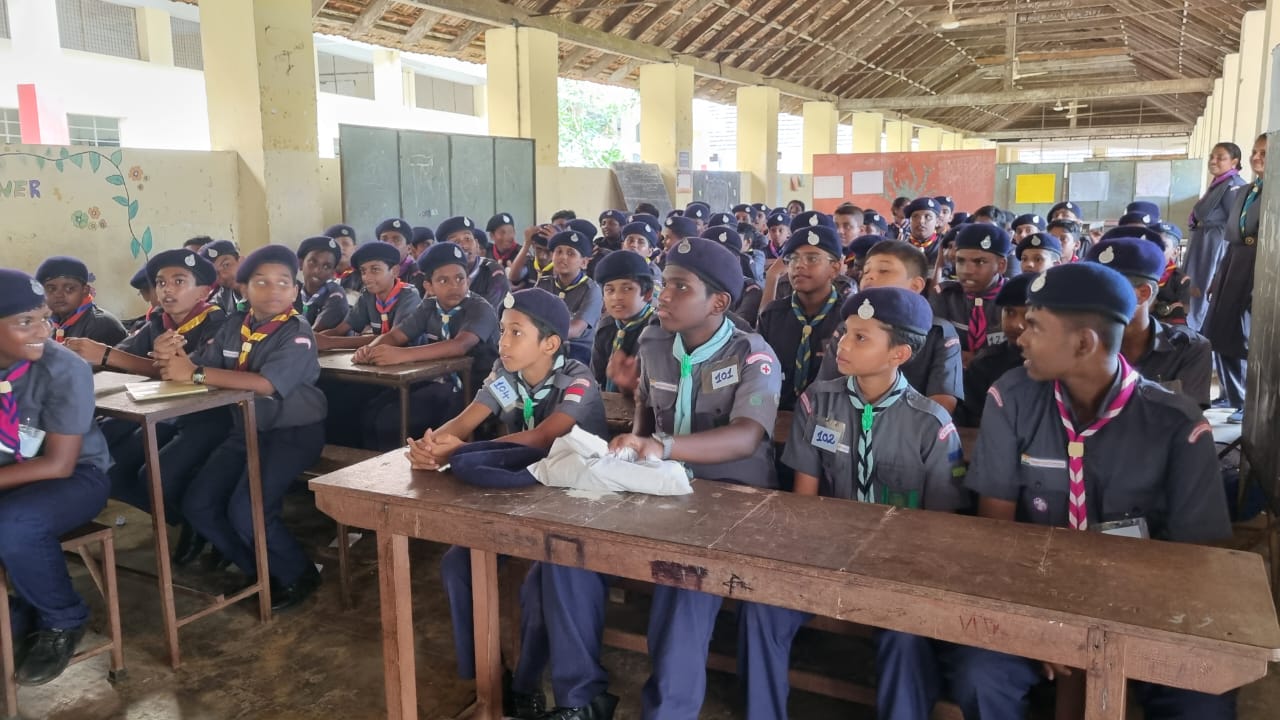
Organizing a Leave No Trace Workshop can be an enriching experience for scouts. Here’s a simple activity outline:
- Objective: To educate scouts on Leave No Trace principles and their application in real-world scenarios.
- Materials Needed: Posters, leaflets, and visual aids depicting Leave No Trace principles.
- Activity Steps:
- Begin with a discussion on the importance of environmental ethics.
- Divide scouts into groups and assign each group a Leave No Trace principle.
- Ask each group to create a skit or presentation demonstrating their assigned principle.
- Conduct a nature walk, encouraging scouts to identify areas where Leave No Trace could be applied.
- Outcome: Scouts will have a deeper understanding of how to minimize their environmental impact during scouting activities.
Conclusion: A Scout’s Responsibility
As scouts, we hold the responsibility of being stewards of the environment. By practicing Leave No Trace principles, we ensure that our natural surroundings remain pristine for future generations. Whether we are embarking on a trek in the Himalayas or organizing a community event in our local neighborhood, our actions should reflect our commitment to environmental ethics. Remember, every small effort counts, and together, we can make a significant impact on preserving India’s beautiful landscapes for years to come.