Introduction to First Aid: The DRSABC Approach
First aid is a critical skill for every scout, especially as you embark on your Pratham Sopan journey. It’s about being prepared to help others in emergencies, a principle that aligns closely with the scout motto: “Be Prepared.” In India, where diverse terrains and weather conditions present unique challenges, knowing how to administer first aid can make a significant difference. One of the most effective methods for handling emergencies is the DRSABC approach. This systematic method allows you to assess and manage a situation efficiently.
Understanding DRSABC
The DRSABC approach is a step-by-step guide to handle emergency situations involving casualties. It ensures that you address the most crucial aspects of first aid in the correct order. Each letter in DRSABC stands for a critical step:
- D – Danger: Check for any danger to yourself, the casualty, and bystanders.
- R – Response: See if the casualty responds to your voice or touch.
- S – Send for help: If there’s no response, call for local emergency services.
- A – Airway: Ensure the casualty’s airway is open and clear.
- B – Breathing: Check if the casualty is breathing normally.
- C – Circulation: Look for signs of life and manage severe bleeding if necessary.
Steps to Implement DRSABC
Let’s delve deeper into each step of the DRSABC approach, focusing on how you can apply them in real-life scenarios.
1. Danger
Before you provide aid, ensure the area is safe. In Indian scouting camps, this could involve checking for wild animals in forested regions or unstable rocks during a mountain trek. Always prioritize your safety first.
2. Response
Gently shake the casualty’s shoulders and ask loudly, “Are you okay?” If they respond, monitor them until help arrives. If not, proceed to the next step.
3. Send for Help
If you’re in a remote area, sending someone to the nearest village or using a mobile phone to contact emergency services is vital. Knowing the local emergency numbers and the quickest route to reach help can save precious time.
4. Airway
Tilt the casualty’s head back slightly to open the airway. In India’s dusty environments, ensure no debris is blocking the airway. This step is crucial as a blocked airway can lead to severe complications.
5. Breathing
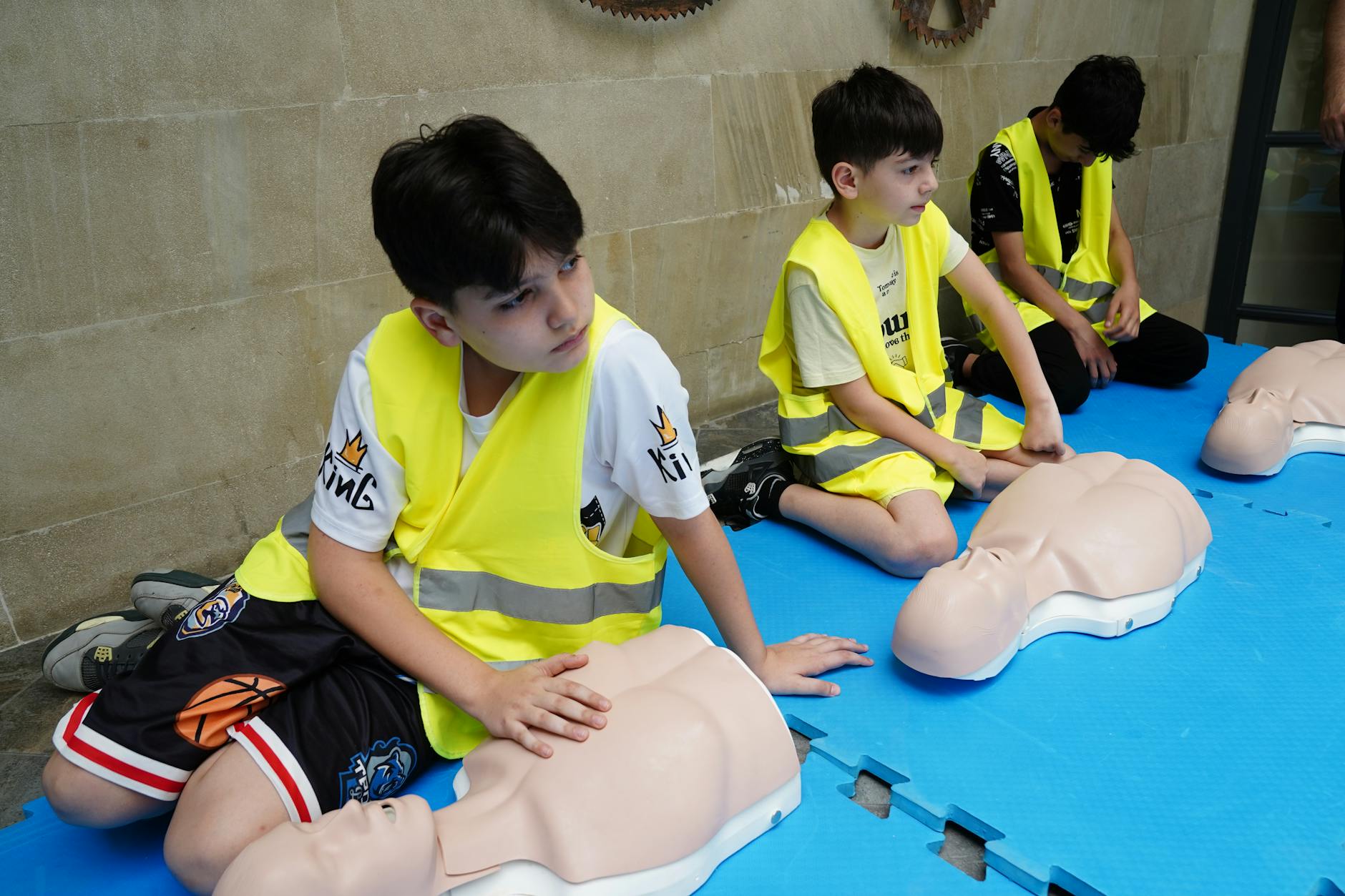
Look for chest movement, listen for breathing sounds, and feel for breath on your cheek. If the casualty is not breathing, begin CPR immediately. Remember, effective CPR can double or even triple a casualty’s chance of survival.
6. Circulation
Check for signs of life and control any severe bleeding with direct pressure. In Indian wilderness areas, a scarf or cloth can be improvised as a bandage.
Practical Scout Activity: First Aid Drill
Organize a first aid drill during your next scout camp. Divide into teams and simulate different emergency scenarios, such as a snake bite or a fall injury. Each team should practice the DRSABC approach, with one scout acting as the casualty. This exercise not only reinforces the steps of DRSABC but also builds teamwork and leadership skills.
Conclusion: Be Prepared, Be a Hero
Mastering the DRSABC approach empowers you to act decisively and effectively during emergencies, embodying the true spirit of a scout. As you continue your journey in Indian scouting, remember that your preparedness can turn you into a hero when someone needs it most. Keep practicing, stay vigilant, and always be ready to lend a helping hand.
By embracing these skills, you uphold the values of the scout movement and contribute positively to your community and beyond. So, next time you head out on a camp or hike, carry this knowledge with you, and be the difference in someone’s life.