വ്യത്യസ്ത തരം ബാൻഡേജുകൾ | Scout Library
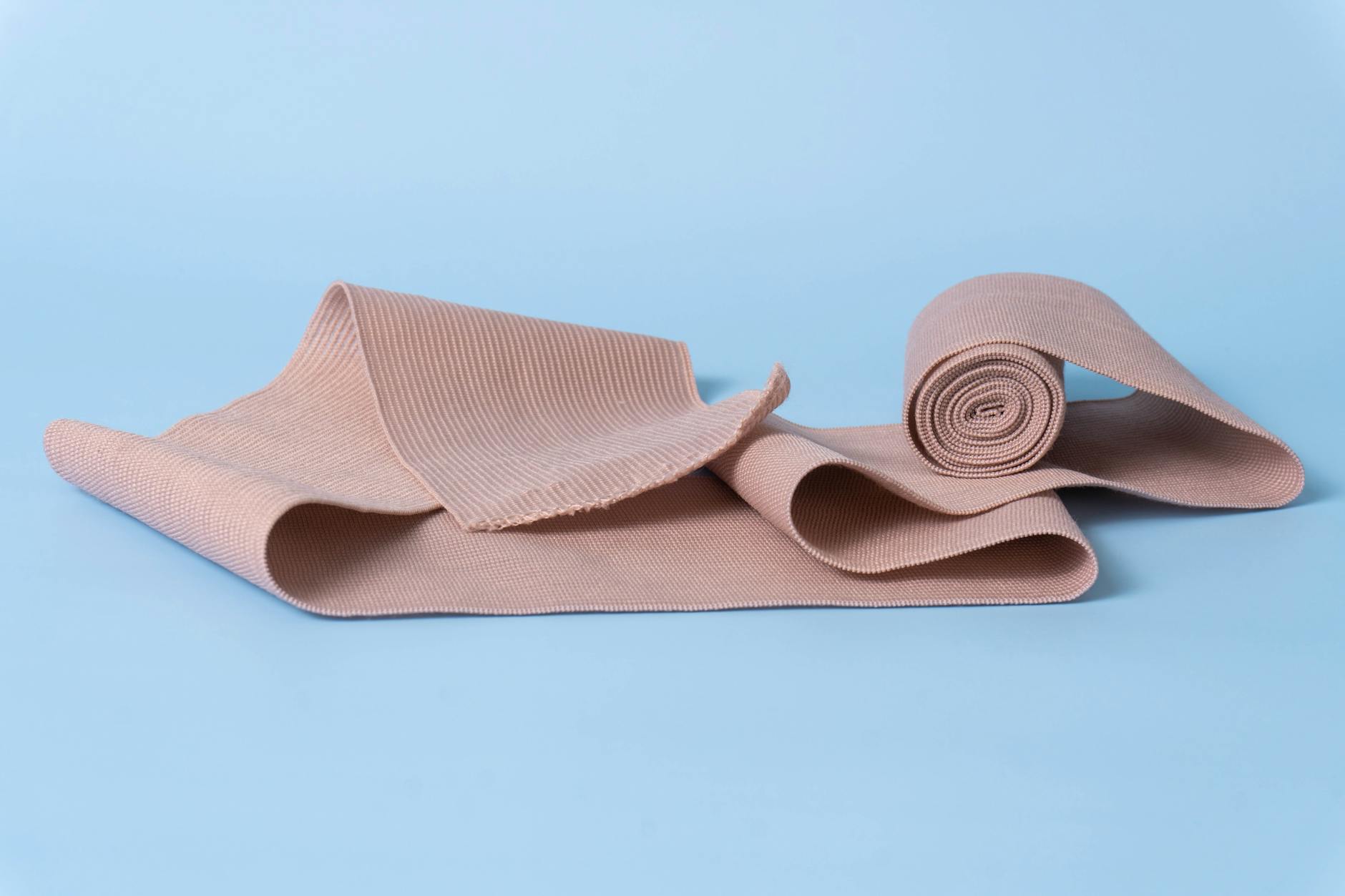
🌐 Also available in: English വ്യത്യസ്ത തരം ബാൻഡേജുകൾ – കെട്ടുകളുടെ തരം സ്കൗട്ടിംഗിൽ, മുറിവുകൾ കൃത്യമായി കെട്ടി പരിപാലിക്കുന്നത് വളരെ പ്രധാനമാണ്. ഇത് മുറിവുകളുടെ…

An Online Scout Encyclopedia

🌐 Also available in: English വ്യത്യസ്ത തരം ബാൻഡേജുകൾ – കെട്ടുകളുടെ തരം സ്കൗട്ടിംഗിൽ, മുറിവുകൾ കൃത്യമായി കെട്ടി പരിപാലിക്കുന്നത് വളരെ പ്രധാനമാണ്. ഇത് മുറിവുകളുടെ…
🌐 Also available in: English ഫിഗർ-8 ക്നോട്ട് – ദി സ്റ്റോപ്പർ ക്നോട്ട് സ്കൗട്ടിംഗ് പരിശീലനത്തിൽ ക്നോട്ടുകളുടെ പ്രാധാന്യം വളരെ വലുതാണ്. വിവിധ ക്നോട്ടുകൾ വിവിധ…
🌐 Also available in: മലയാളം (Malayalam) Introduction In the adventurous world of scouting, knots are as essential as a compass.…
🌐 Also available in: English റൗണ്ട് ടേൺ ആൻഡ് ടു ഹാഫ് ഹിച്ചസ് പരിചയം സ്കൗട്ടിംഗിലെ കെട്ടുകൾ ഒരുപാട് പ്രധാനമാണ്, പ്രത്യേകിച്ച് ക്യാമ്പിംഗ്, ട്രക്കിംഗ്, മറ്റ്…
🌐 Also available in: മലയാളം (Malayalam) Introduction to the Round Turn and Two Half Hitches In the world of scouting,…
Reef Knot An excellent general purpose knot for tying two pieces of string or twine together, the reef knot is possibly the most commonly used knot for the job, and is easy to learn. However, it cannot be overly stressed that the Reef knot is not a long term or secure knot, and it should…
Fisherman’s knot Fisherman’s knot (Angler’s knot, English knot, Englishman’s bend, Halibut knot, True Lover’s bend, Waterman’s knot) The Fisherman’s knot is used to tie two ropes of equal thickness together. It is used by fishermen to join fishing line, and is very effective with small diameter strings and twines. Tie a Thumb knot, in the…
Bowline Knot A commonly used knot to tie a loop in the end of a rope. It has the advantage of not jamming, compared to some other loop forming knots (for example when using an overhand knot on a large bight to form a loop). Form a small loop (the direction is important), and pass…
Clove Hitch Use to attach a rope to a pole, this knot provide a quick and secure result. It rarely jams, and can in fact suffer from the hitch unrolling under tension if the pole can turn. Often used to start and finish lashings. With practice, this can be easily tied with one hand –…
Sheet Bend The Sheetbend is commonly used to tie two ropes of unequal thickness together. The thicker rope of the two is used to form a bight, and the thinner rope is passed up through the bight, around the back of the bight, and then tucked under itself. The knot should be tied with both…