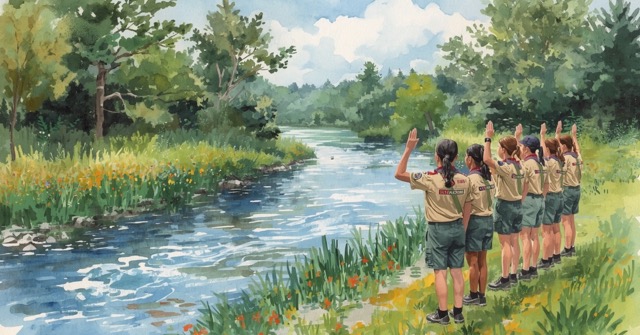
Camping is one of the most exciting and enriching activities in scouting, offering young scouts the chance to connect with nature, develop new skills, and build camaraderie with their peers. However, ensuring safety during camp is paramount to having a successful and enjoyable experience. For scouts at the Dwitiya Sopan level, understanding and adhering to camp safety rules is essential. In this blog post, we will explore key safety precautions every scout must follow during camping trips in the diverse and beautiful landscapes of India.
Understanding Camp Safety Basics
Before embarking on any camping trip, scouts must familiarize themselves with the fundamental principles of camp safety. These rules are designed to protect both individuals and the group as a whole. Here are some basic guidelines:
- Buddy System: Always travel with a buddy. This ensures that no scout is ever alone, providing safety in numbers.
- First Aid: Carry a well-stocked first aid kit and know basic first aid procedures. This is crucial for addressing minor injuries and issues that may arise.
- Emergency Plan: Discuss and understand the emergency plan before setting up camp. Know the location of the nearest medical facility and have emergency contacts handy.
- Stay Hydrated: Always have access to clean drinking water to prevent dehydration, especially in hotter regions like Rajasthan or Gujarat.
Fire Safety: A Top Priority
Campfires are a beloved aspect of camping, providing warmth, a place to cook, and a gathering spot for storytelling. However, they must be handled with care to prevent accidents. Here are some fire safety tips:
- Fire Location: Build your campfire in a designated fire area, away from tents and dry foliage, to prevent the risk of spreading.
- Supervision: Never leave a fire unattended. Always have a responsible scout or leader monitoring the fire.
- Extinguishing: Ensure the fire is completely out before leaving the site. Use water, dirt, or sand to douse the flames and stir the ashes to ensure no embers remain.
Wildlife Awareness and Respect
India’s rich biodiversity means scouts may encounter a variety of wildlife during their camping trips, from the majestic elephants in the Western Ghats to the elusive tigers of the Sundarbans. Respecting wildlife is crucial for both safety and conservation:
- Keep Distance: Observe animals from a safe distance. Never attempt to feed or approach them, as this can be dangerous.
- Food Storage: Store food securely to avoid attracting animals to the campsite. Use bear-proof containers or hang food out of reach.
- Environmental Respect: Follow the Leave No Trace principles by minimizing your impact on the environment and leaving the campsite cleaner than you found it.
Practical Scout Activity: Safety Role-Play
To reinforce these safety rules, conduct a role-play activity with your scout troop. Divide the scouts into small groups and assign each group a scenario involving a common camping situation, such as handling a campfire, dealing with an animal encounter, or responding to a minor injury. Each group will act out their scenario, demonstrating the correct safety protocols. This activity not only makes learning about safety engaging but also helps scouts internalize these critical skills.
Conclusion: Building a Safe Camping Culture
By following these camp safety rules, scouts can ensure a safe and enjoyable camping experience. Remember, safety is everyone’s responsibility, and each scout plays a crucial role in maintaining a secure environment. As you embark on your next camping adventure, keep these guidelines in mind, practice what you’ve learned, and encourage your fellow scouts to do the same. Together, you can create a culture of safety and respect, ensuring that every camping trip is memorable for all the right reasons. Happy camping!