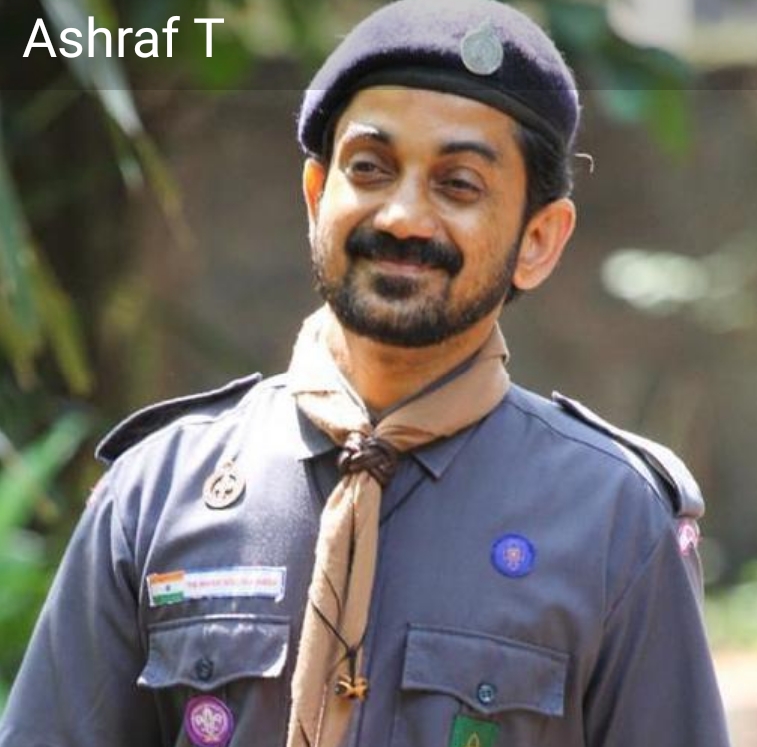
Patrol Leader – Duties and Responsibilities
In the vibrant world of scouting, the role of a Patrol Leader is both an honor and a responsibility. For young scouts at the Pratham Sopan level, understanding the duties and responsibilities of a Patrol Leader is crucial for personal growth and the success of their patrol. In Indian scouting, where teamwork and leadership are celebrated, the Patrol Leader stands as a beacon of guidance and inspiration. Let’s explore what it takes to be an effective Patrol Leader in the context of Indian scouting.
The Role of a Patrol Leader
The Patrol Leader is the cornerstone of the patrol system, which is one of the foundational structures in scouting. This role is not just about having authority; it is about being a servant leader who supports and uplifts their team. The Patrol Leader is chosen based on their ability to lead, communicate effectively, and embody the principles of scouting. In India, this role is often seen as a stepping stone to greater leadership positions within the scout troop.
A Patrol Leader is expected to be a role model for their patrol members, demonstrating qualities such as reliability, integrity, and enthusiasm. They are the link between their patrol and the troop leadership, ensuring that information flows smoothly and that patrol activities align with the troop’s goals.
Duties of a Patrol Leader
The duties of a Patrol Leader are varied and encompass a wide range of responsibilities. Here are some key duties:
- Planning and Organizing: The Patrol Leader is responsible for planning patrol meetings and activities. This includes setting agendas, coordinating with other patrols, and ensuring that all members are informed and prepared.
- Delegation: Effective leadership involves delegating tasks to patrol members based on their strengths and interests, ensuring that everyone has a role to play.
- Training and Development: The Patrol Leader is responsible for the growth and development of their patrol members, helping them earn badges and achieve personal goals.
- Problem Solving: When conflicts or challenges arise, the Patrol Leader is expected to mediate and find solutions that benefit the entire patrol.
- Representing the Patrol: The Patrol Leader represents their patrol at troop councils and events, voicing the opinions and concerns of their members.
Responsibilities in Action
To understand the practical application of these duties, let’s consider a typical scout activity: organizing a campfire night. The Patrol Leader would begin by discussing ideas with their patrol, delegating tasks such as gathering firewood, planning skits or songs, and preparing snacks. They would ensure safety protocols are followed and that everyone participates, creating a memorable experience for all. This activity not only teaches practical skills but also fosters unity and creativity within the patrol.
In an Indian context, such activities often include cultural elements, like performing traditional songs or dances, which enhance cultural awareness and pride among the scouts.
Conclusion: Embracing Leadership
Being a Patrol Leader is an exciting journey filled with opportunities to grow as a leader and make a positive impact on others. In Indian scouting, where community and collaboration are integral, the Patrol Leader’s role is vital in nurturing these values. By embracing their duties and responsibilities with enthusiasm and commitment, a Patrol Leader can inspire their patrol to achieve great things together.
As you step into this role, remember that leadership is not just about guiding others, but also about learning from them. Take every challenge as a chance to grow, and every success as a shared victory with your patrol. In the words of Baden-Powell, the founder of scouting, “The most worth-while thing is to try to put happiness into the lives of others.” As a Patrol Leader, you have the power to do just that.