Snake Bite First Aid – Myths vs Facts
As Scouts, we often find ourselves exploring the great outdoors, from the lush forests of the Western Ghats to the arid landscapes of Rajasthan. While these adventures are thrilling, they also come with certain risks, such as snake bites. Understanding what to do if someone gets bitten by a snake is crucial. In this blog, we will dispel common myths and present the facts about snake bite first aid, empowering you to make informed decisions in an emergency.
Myth: Sucking Out the Venom
One of the most pervasive myths is that you should suck out the venom from a snake bite. This age-old technique is not only ineffective but can also be harmful. Here’s why:
- Fact: Attempting to suck out venom can introduce bacteria from your mouth into the wound, increasing the risk of infection.
- Fact: Venom spreads quickly through the bloodstream, and sucking it out will not remove it effectively.
Instead of wasting precious time on this method, focus on keeping the victim calm and still to slow the spread of venom.
Myth: Applying Ice or a Tourniquet
Another common misconception is that applying ice or a tourniquet can help control the spread of venom. However, this can do more harm than good:
- Fact: Ice can cause tissue damage and does not prevent venom spread.
- Fact: A tourniquet can cut off blood flow entirely, leading to severe tissue damage and possible loss of the limb.
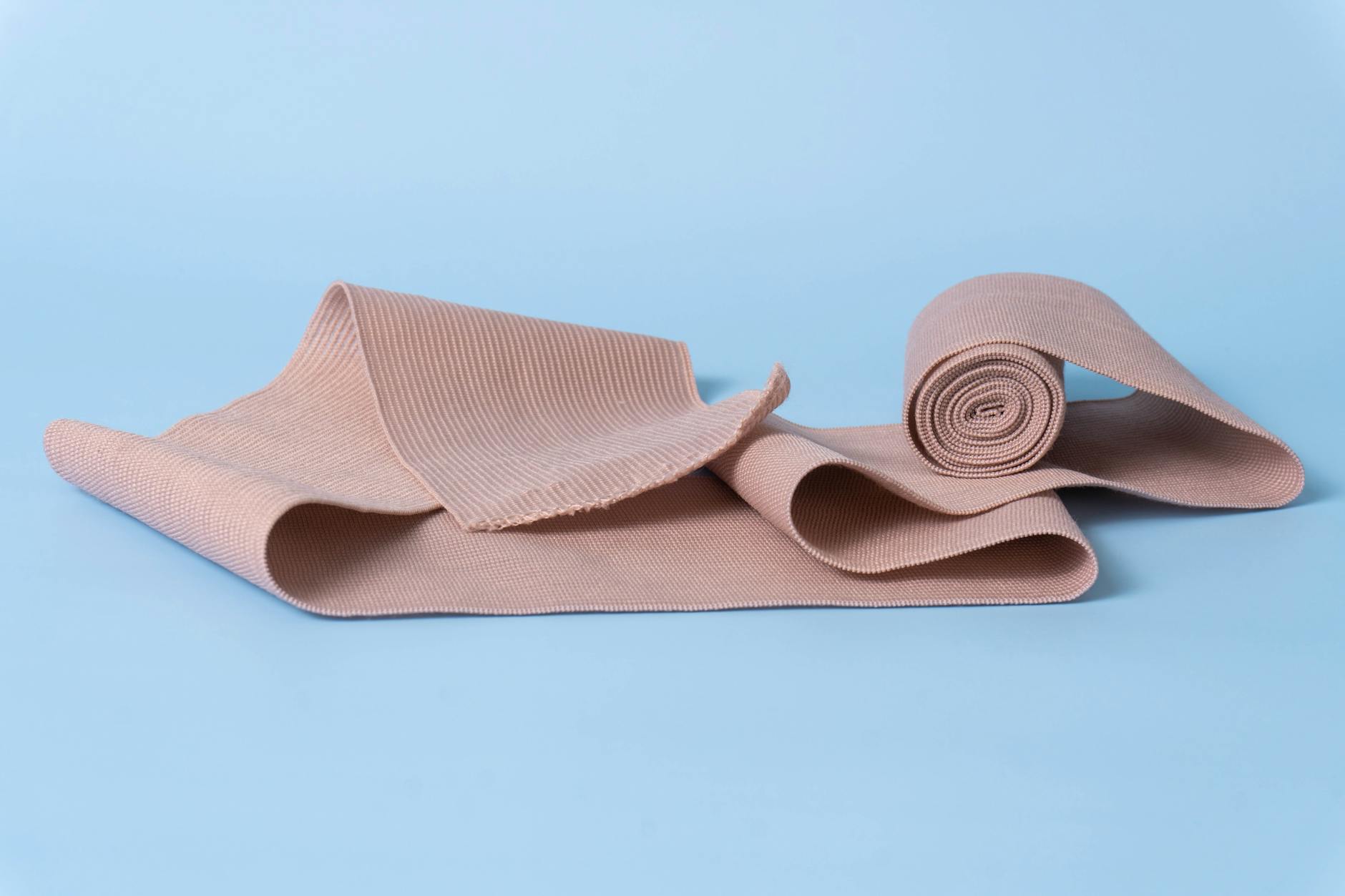
The best practice is to keep the affected limb immobilized and at or below heart level.
Myth: If There’s No Pain, There’s No Danger
Some people believe that if a snake bite doesn’t cause immediate pain, it isn’t dangerous. This is a dangerous assumption.
- Fact: Some venomous snake bites may not be immediately painful, but they can still be life-threatening.
- Fact: Symptoms can develop over time, including nausea, difficulty breathing, and swelling.
Always treat any snake bite as a medical emergency and seek help immediately.
Practical Scout Activity: Snake Bite Simulation Drill
To prepare for potential snake bite incidents, organize a simulation drill during your next Scout meeting or camp. Here’s how:
- Divide into small groups and assign roles: a victim, a first-aider, and observers.
- Use a non-toxic marker to simulate a snake bite on the victim’s arm or leg.
- Have the first-aider practice the correct response:
- Keep the victim calm and still.
- Immobilize the affected limb.
- Reassure the victim while others call for medical help.
- Observers can provide feedback and suggestions for improvement.
Practice regularly to build confidence and preparedness.
Conclusion: Be Prepared, Not Scared
In the spirit of Scouting, being prepared is crucial. By understanding the differences between myths and facts about snake bites, you can respond effectively and potentially save a life. Remember, the key steps are to stay calm, immobilize the limb, and seek professional medical help immediately. Empowered with this knowledge, you can continue to enjoy the beauty of India’s natural landscapes with greater confidence and safety.
Stay safe, Scouts, and always be prepared!